Photovoltaic Panels: Your Complete Guide to Going Solar
Your electric bill keeps getting higher every month. You’re tired of paying for energy you can’t control. You’ve heard about solar panels, but you’re not sure if they actually work or if they’re worth the money.
Photovoltaic panels turn sunlight into electricity, and they can reduce your energy bills by 50 to 80 percent while making your home worth more money.
What Exactly Are Photovoltaic Panels
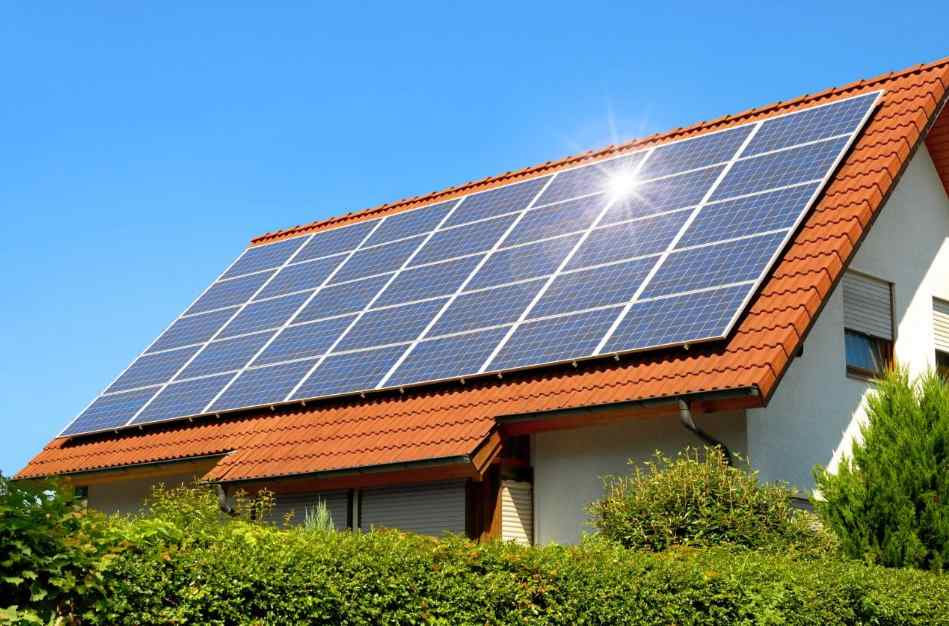
Photovoltaic panels are solar devices that capture sunlight and convert it into electricity. They contain silicon cells that create electrical power when the sun shines on them. This electricity powers your home and saves you money on your utility bills.
The numbers show this is a smart choice. The global solar photovoltaic market reached $206.4 billion in 2023 and is growing at 12.1 percent per year. This means more people like you are switching to solar energy every single day.
Why Photovoltaic Panels Matter to You Right Now
Energy costs never stop rising. Your utility company charges whatever they want, and you have no control. Most homeowners feel stuck watching their bills climb higher every year.
From what I’ve seen, the biggest mistake people make is thinking solar is too expensive or too hard to understand. The truth is much simpler: solar makes sense for most homeowners when you do a basic financial check first.
The Real Benefits You’ll Get
Your savings start immediately. You’ll pay less every month for electricity. Your home becomes more valuable if you decide to sell it someday. You also help the environment while keeping money in your pocket.
Here are the main benefits:
- Lower monthly electricity bills
- Government tax credits paying up to 30 percent of costs
- Your home value increases about 4 percent
- Protection when electricity rates go up
- You help save the planet
How Do Photovoltaic Panels Actually Work
Photovoltaic panels contain silicon cells. When sunlight hits these cells, electricity is created. A device called an inverter changes this electricity into the type your home can use. It’s that simple.
Think of it this way: the sun gives free energy all day long. Your panels catch it. You use it right away or save it for later.
What Happens When It’s Cloudy or Night
This is the question I hear most often. On cloudy days or at night, you can use power from the electric grid. Some people add battery storage to save extra power for nighttime use.
Most homeowners stay connected to the electric grid as a safety backup. This way you always have power while still saving money from solar energy during daylight.
The Three Main Types of Photovoltaic Panels
-
Monocrystalline Panels: The Best Choice
These panels work the most efficiently (18 to 22 percent). They cost more money but last longer and work better on cloudy days.
Best for: Homes with small roofs or people wanting maximum power.
-
Polycrystalline Panels: The Budget Choice
These panels cost less money but are less efficient (15 to 17 percent). They still work great for most homes.
Best for: Homes with plenty of roof space and good sunlight.
-
Thin Film Panels: The New Option
These newer panels are lightweight and bend easily. They work well in unusual situations but produce less power.
Best for: Commercial buildings and creative installations.
Take Action This Week
Photovoltaic panels are now a smart financial decision, not just an environmental choice. Stop waiting for electricity prices to drop. They won’t.
Your next step: Call three local solar companies this week for free quotes. Find out what money saving programs your area offers. The sooner you start, the sooner you stop overpaying for power.