More Space, Less Stress: Is a House Extension Right for You?
We all love our homes. They are where we make memories and feel safe. But sometimes, our beloved homes can start to feel a little too small. Maybe your family is growing and you need another bedroom. Maybe you have started working remotely and need a quiet office. When space gets tight, the first thought is often to move. But moving is stressful, expensive, and tiring.
There is a better solution that lets you stay in the neighborhood you love. A well-planned house extension can solve your space problems without the hassle of packing boxes. It allows you to upgrade your lifestyle and keep your current address. Instead of searching for a new house, you can simply improve the one you already own.
Why Choose to Extend?
Moving house costs a lot of money. You have to pay estate agent fees, legal costs, and stamp duty. That is money you never see again. When you extend, you are investing that money into your own property.
Adding square footage increases the value of your home. If you ever decide to sell in the future, a bigger house with more rooms will command a higher price. It is a smart financial move. Plus, you get creative control. You don’t have to settle for someone else’s design. You can build the kitchen or living area exactly how you want it.
Popular Types of Projects
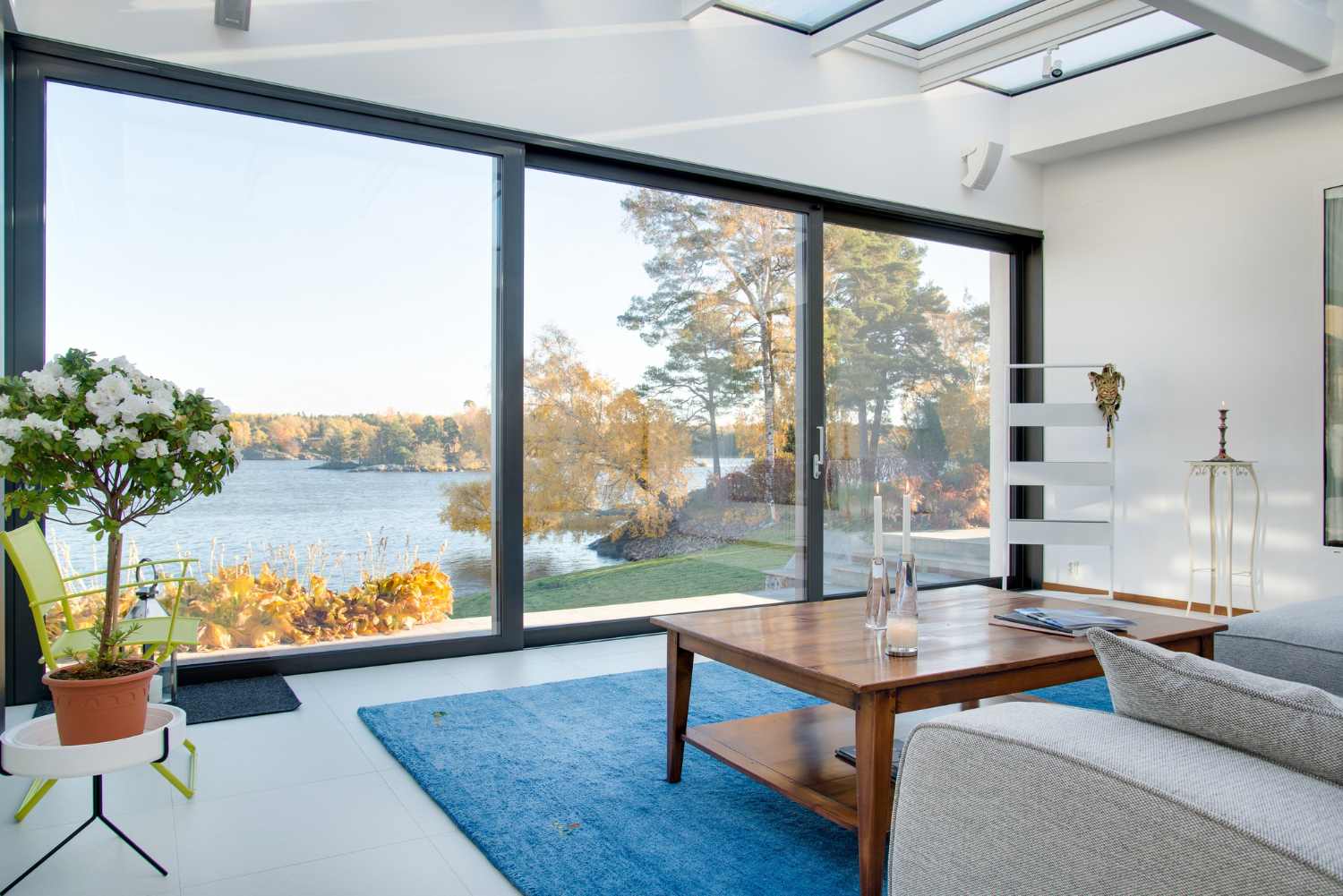
There are many ways to add space. The right choice depends on your property type and your budget. The most common option is a rear extension. This usually involves pushing the back of the house out into the garden. It is perfect for creating a large, open-plan kitchen and dining area where the family can gather.
If you have a narrow alleyway down the side of your property, you might consider a side return extension. This turns “dead space” into a wider, more usable room. If you don’t want to lose garden space, look up. A loft conversion or adding a second story can give you extra bedrooms and bathrooms without changing the footprint of the house.
Checking the Rules
Before you start digging, you need to know the rules. Not every project requires full planning permission. Some smaller additions fall under “permitted development” rights. This means you can build without a long application process.
However, rules change depending on where you live. It is always smart to check with your local council first. You also need to follow building regulations. These rules ensure that the new structure is safe, fire-resistant, and energy-efficient. Hiring a good architect or surveyor early on can help you navigate this paperwork easily.
Managing Your Budget
Building work is a big commitment. You need a clear budget before you hire a builder. Get quotes from at least three different contractors. Don’t just pick the cheapest one; pick the one with the best references.
It is also important to have a contingency fund. This is extra money set aside for surprises. Old houses can hide problems like bad wiring or old pipes. Having a safety net ensures that your project doesn’t stop if an unexpected cost comes up.
Final Thoughts
Transforming your home is an exciting journey. It gives you the room to breathe and enjoy your life more. Whether you need a playroom for the kids or a sanctuary for yourself, expanding is a great option. Take your time, plan carefully, and soon you will have the dream home you always wanted.