What Is a Patio Cover and How Does It Improve Outdoor Living
A patio cover is a permanent roof structure designed to provide shade and protection for your outdoor living space. Unlike an umbrella or a flimsy pop up canopy, a patio cover is built into the structure of your home or anchored as a heavy duty freestanding unit. Its primary job is to shield your deck or patio from the sun, rain, and debris, effectively turning your backyard into a functional outdoor room.
Adding a patio cover is one of the most effective ways to reclaim your backyard. It solves the biggest problem with outdoor spaces: they are often too hot or too wet to actually use. By installing a solid overhead barrier, you create a comfortable environment that stays cool in the heat and dry during a downpour.
2. The Main Types of Patio Covers
Not all covers are built the same way. The style you choose depends on how much light you want and how you plan to use the space.
Solid Roof Covers
A solid patio cover provides total shade and complete protection from rain. These are usually made from aluminum, wood, or insulated panels. They are the best choice if you want to keep outdoor furniture, grills, or even a television safe from the elements.
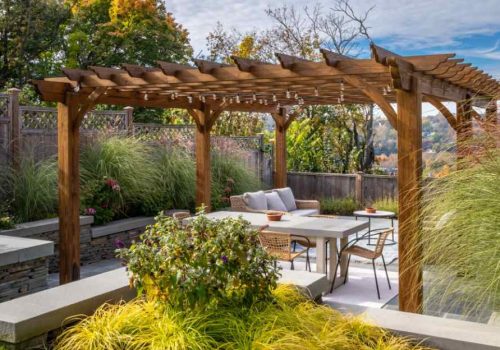
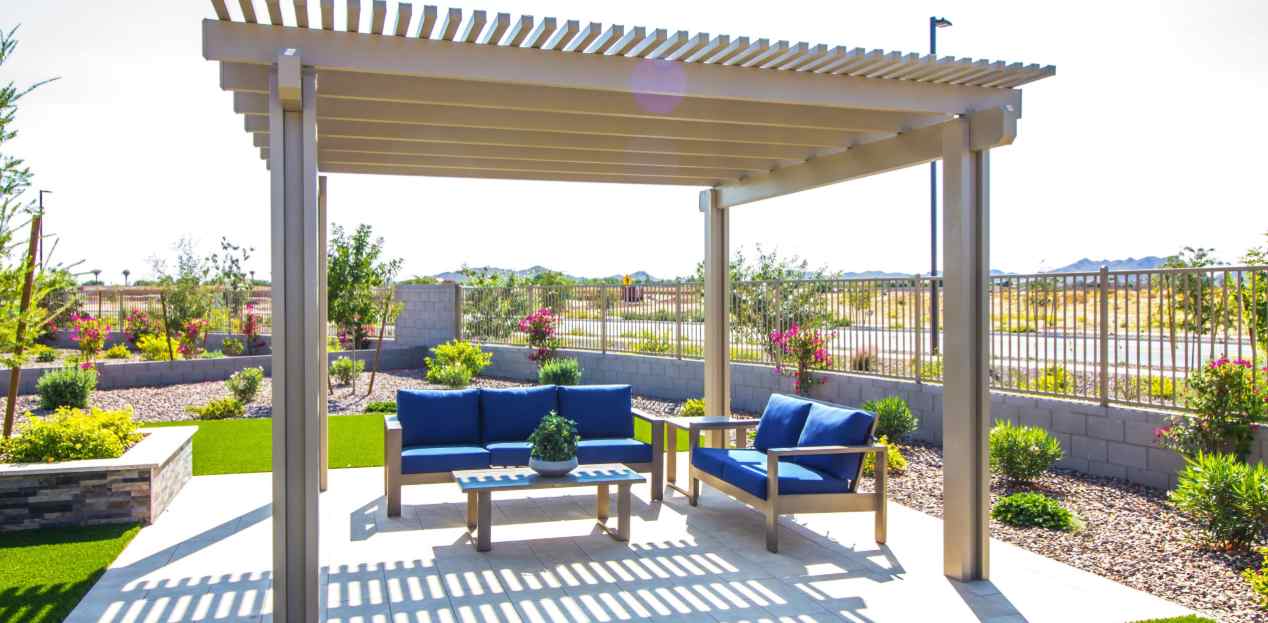
Lattice or Pergola Styles
A lattice cover uses spaced out beams to provide partial shade. You get a nice balance of sunlight and airflow without feeling completely enclosed. While these do not stop the rain, they are excellent for cooling down a seating area while maintaining an open, airy feel.
Insulated Roof Panels
If you live in a particularly hot climate, insulated panels are a game changer. These covers have a core of high density foam that blocks the radiant heat from the sun. This can make the area underneath the cover feel 10 to 15 degrees cooler than the rest of the yard.
3. Key Benefits for Your Home and Lifestyle
A patio cover is more than just a roof. It changes the way you interact with your property and can even help lower your monthly bills.
- Temperature Control: By blocking direct sunlight from hitting your patio and your back sliding doors, you reduce the heat transfer into your home. This helps your air conditioner run more efficiently.
- Furniture Protection: UV rays from the sun are brutal on outdoor fabrics and wood. A cover prevents cushions from fading and keeps wood furniture from cracking or rotting due to rain exposure.
- Increased Living Space: It effectively adds square footage to your home. You gain a dedicated spot for morning coffee, family dinners, or hosting friends without worrying about the weather forecast.
- Home Value: Buyers look for functional outdoor spaces. A professionally installed patio cover adds curb appeal and makes your home stand out in the real estate market.
4. Materials That Last
When you are looking at Window Pros TX, the material choice is the biggest factor in long term maintenance.
Aluminum Covers
Aluminum is a top choice for many homeowners because it does not rust, rot, or attract termites. It is lightweight but strong enough to handle heavy wind and rain. Modern aluminum covers often come with wood grain textures, so you get the look of cedar without the constant need for staining and sealing.
Wood Structures
Wood offers a classic, heavy look that many people love. However, it requires significant upkeep. You will need to sand and paint or stain it every few years to keep it from weathering. If you choose wood, ensure it is properly treated for outdoor use to avoid moisture damage.
5. Important Considerations Before You Build
Before you start a project, there are a few technical details you need to keep in mind to ensure the structure is safe and legal.
Building Permits and HOA Rules
In many areas, a patio cover is considered a permanent structural addition. This means you will likely need a building permit. If you live in a neighborhood with a Homeowners Association, you also need to check their guidelines regarding height, color, and material to avoid fines later on.
Attachment Methods
A cover can be attached directly to your house at the roofline or the wall, or it can be freestanding. Attached covers are generally more stable and provide a seamless transition from your back door to the outdoors. Freestanding covers are great for creating a separate retreat further out in the yard, like near a pool or fire pit.
6. Practical Tips for Designing Your Space
To get the most out of your new cover, think about the small details during the planning phase.
- Lighting and Fans: If you choose a solid or insulated cover, you can often run electrical lines through the beams. Adding a ceiling fan is a professional secret for keeping mosquitoes away and staying cool on stagnant summer days.
- Gutter Systems: Make sure your patio cover has its own gutter and downspout system. You don’t want rain cascading off the new roof and splashing back onto your patio or flooding your foundation.
- Height Matters: Build the cover high enough to feel spacious but low enough to provide effective shade. A roof that is too high will let in too much angled sunlight during the morning and afternoon.
Conclusion
A patio cover is a smart investment that turns an underused backyard into the most popular spot in the house. It provides the essential protection needed to enjoy the outdoors regardless of the sun or rain. By choosing durable materials and the right style for your architecture, you create a beautiful, functional space that lasts for decades.